


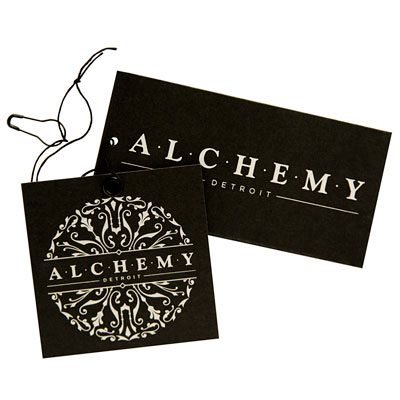
Why Luxury Brands Can’t Overlook the Power of Custom Hang Tags
Why Do Luxury Brands Need Custom Hang Tags?
In luxury branding, tiny details can carry the most weight. Custom hang tags are not just labels; they are tactile signals that communicate craftsmanship, provenance, and brand storytelling the moment a customer reaches for the product. This guide explains how hang tags shape perception, storytelling, and purchase decisions during the awareness stage.
How do hang tags shape first impressions for luxury products?
First impressions are formed quickly, and physical touchpoints strongly influence perceived quality. A well crafted hang tag is often the first tactile interaction with a luxury item, signaling craftsmanship, provenance, and trust before the product is fully examined.
- Speed of judgment: people form initial impressions in roughly 17 to 50 milliseconds, and broader impressions can coalesce within about seven seconds.
- Physical versus digital: for luxury goods, the physical encounter matters because presentation drives emotional response and perceived importance.
How can hang tags reinforce premium positioning?
Hang tags should communicate the same psychological signals that successful clothing and packaging do. They can be engineered to reinforce competence, status, trust, and attention to detail through design choices and materials.
- Competence: a structured layout, clear typography, and high quality printing signal discipline and product control.
- Status: weight, material choice, embossing, and foil finishes act as costly signals of value.
- Trustworthiness: provenance text, care information, and authenticity markers such as serial numbers or authentication tech reduce perceived risk and align expectations.
- Attention to detail: precise edges, consistent color, and secure attachment imply operational rigor and can boost perceived brand value across touchpoints.
Why is this practical now for luxury brands?
Market signals are fragmented, and luxury brands must calibrate tags to their chosen positioning rather than rely on generic cues. Short attention windows in omnichannel journeys Increase the value of immediate, coherent signals, and tangible cues help convert fleeting interest into perceived legitimacy in retail and wholesale conversations.
In what ways do hang tags strengthen a luxury brand’s storytelling?
Hang tags turn heritage, craftsmanship, and provenance into a tangible handheld narrative. By combining material, copy, and verifiable provenance in a single touchpoint, brands can present a compact story at the moment of inspection and extend that story digitally or physically beyond the box.
How tags communicate heritage and craftsmanship
Material choices communicate origin and age. Specific papers or boards can convey authenticity, and detailing the production context anchors the story in provenance. Visible craft techniques such as embossing, foil, edge painting, and custom die-cuts create tactile cues of handwork and specialist processes.
How tags make provenance and verification part of the story
Verifiable claims on a tag tie the narrative to documentation. Digital continuity through scannable codes or embedded chips can link to artisan videos, production diaries, or provenance registries. Unique identifiers like serial numbers or limited edition markings reinforce scarcity narratives and create a traceable provenance trail.
Experiential techniques that immerse buyers in the brand world
Multi-panel or booklet tags let brands pace origin stories, care information, and authenticity links in a curated sequence. Sensory layering through texture, die-cut motifs, and weighted stocks invites handling and creates memory anchors. Custom attachment hardware can be referenced in copy to tie the finish to the craft story.
Business signals supported by evidence
Choosing stock that holds its shape can reduce quality complaints, and the hang tag market continues to grow as brands invest in these touchpoints. The category value was cited as expanding in recent years, reflecting increasing attention to these signals across luxury segments.
Quick checklist to design tags that tell a luxury story
- Define a single narrative highlighted on the tag, such as origin, maker, or collection intent.
- Select one dominant physical signal that embodies that narrative (e.g., a particular paper, edge color, or embossing).
- Include one verifiable element on the tag, such as a serial, QR code, or authentication link.
- Design for handling and ensure the tag photographs well for unboxing and social sharing.
How can hang tags give luxury brands a competitive edge over mass-market competitors?
Custom hang tags create instant recognition through an ownable design language and tactile differentiation that mass-market tags cannot easily replicate. They also enable authenticity signals that support premium pricing and reduce buyer uncertainty.
Why generic tags fall short
Generic tags optimize for efficiency rather than distinction and typically rely on functional data such as SKUs and barcodes. They offer limited opportunities for material choice, finishes, or hardware that communicate exclusivity.
How custom tags create separation
- Ownable design language: a unique silhouette, edge color, or die-cut motif helps shoppers register the brand quickly across channels.
- Tactile differentiation: heavier substrates, soft-touch laminations, embossing, or foil create noticeable hand-feel differences that support a higher price tier.
- Scarcity signaling: serial numbers and limited-edition markings convert a tag into a micro-certificate of rarity and can integrate with authentication flows.
- Verifiable authenticity: NFC or QR codes tie tactile cues to digital provenance, reducing purchase risk.
- Retail and wholesale advantages: well-prepared tags that meet retailer requirements reduce onboarding friction and improve floor presentation.
Practical design levers
- Choose a unique shape or die-cut echoing a brand icon.
- Use one high-impact finish rather than stacking effects.
- Add an unobtrusive authentication element on the reverse.
- Coordinate color and edge treatment with packaging and store fixtures.
- Ensure tag specifications align with retailer requirements to avoid rework.
What should luxury designers consider when creating custom hang tags to reflect their brand identity?
Begin with a strong focus on material, finish, and a clear visual hierarchy. Use authentication or digital links only when they reinforce positioning, and aim for a consistent signal of value across touchpoints so the tag feels like part of the brand system.
Materials and weight
Choose substrate by role: heavier boards for outerwear and leather goods, lighter stocks for intimatewear. A 400 gsm uncoated board often reads as more premium than a laminated lighter card due to inherent rigidity. For sustainability narratives, select certified recycled or FSC stock and verify chain-of-custody numbers before production.
Finishes and tactile cues
Pick one high-impact finish rather than layering many. Common luxury levers include soft-touch laminations, foil stamping, embossing, and spot UV. Use texture to invite handling; soft-touch and velvet lamination elevate perceived value and make tags memorable keepsakes.
Color, logo placement, and visual hierarchy
Make the logo the front focal point with proportional sizing. Reserve the reverse for functional elements such as QR codes, serials, and care information to separate storytelling from utility. Limit palettes to brand neutrals with one accent color to reinforce recognition across channels.
Typography and copy
Use no more than two type families and establish a clear hierarchy: brand name, product or collection, then supporting copy. Ensure legibility at small sizes, and keep storytelling to a single line on the front while directing the reader to richer content via a QR code.
Form, size, and attachment
Choose dimensions appropriate to garment weight and handling. Provide reinforced attachment points and consider folded or booklet tags for layered stories. Plan for a reading order that unfolds naturally during handling.
Authentication and digital layers
Add one verifiable element when appropriate: a serial, NFC, or QR code linking to provenance or care content. Keep tech unobtrusive and place on the reverse so the front remains brand-forward.
Current trends
Sustainable premium materials, tactile minimalism, and digital provenance through QR or NFC are trending. The emphasis is on high-quality stock, restrained finishes, and clear digital links that deepen the story without clutter.
Practical checklist for brand alignment
- Define the tag narrative (heritage, craft, sustainability, scarcity).
- Choose one dominant physical signal that embodies that narrative.
- Place branding on the front and verification on the back.
- Confirm retailer and barcode placements early to avoid rework.
- Order proofs and run field tests to validate finishes and readability.
Cost and ROI considerations
Small finish upgrades can be low cost with high perceived lift. Specialty techniques typically add a modest per-unit amount, while base premium tags on 400 gsm stock can be economical at scale. Validate impact with a limited-run test and track perception shifts and functional improvements to support ROI calculations.
How do custom hang tags enhance the unboxing and customer experience for luxury products?
Hang tags add a deliberate sensory pause to the unboxing ritual, heightening anticipation and perceived value. When placed and finished thoughtfully, a single tag can shift the reveal sequence, provoke tactile interaction, and create a shareable micro moment that elevates satisfaction.
Why this matters
The unboxing moment is a dopamine driven sequence; prolonging anticipation can raise perceived value by a meaningful margin. Packaging decisions that control the reveal sequence influence how customers feel before they see the product. Luxury unboxing content often outperforms standard product videos in viewer engagement and conversion, making micro moments within the box commercially valuable.
How hang tags contribute to the ritual
- Tactile weight and texture invite handling and become part of the reveal sequence.
- Visual contrast and placement create a controlled focal point during the reveal.
- Premium finishes photograph well and read as high quality in social posts.
- subtle sounds from hardware like a metal eyelet or rivet add sensory cues during handling.
- Multi-panel tags enable paced storytelling with short origin notes and a digital link for deeper content.
Digital and verification bridges
A discreet QR code or NFC tag can link to an authenticity film, care guide, or limited edition certificate, extending the ritual beyond the box and reducing purchase friction.
When to use hang tags as a high impact element
Reserve for flagship, gifting, or limited edition pieces where every micro interaction justifies price and creates shareable moments, and for collections aimed at gifting or high social visibility where a single detail can drive user generated content and long term recall.
Practical unboxing checklist
- Match tag material and finish to the box interior.
- Decide tag placement in the reveal sequence to control timing and surprise.
- Include one subtle verifiability cue on the reverse to tie sentiment to provenance.
- Test tag interaction on camera and in transit to ensure durability and readability.
- Keep a single unexpected detail to create a sharable micro moment.
What is the ROI for luxury brands investing in custom hang tags?
Upgrading hang tags typically yields measurable ROI because small per unit costs can translate into higher perceived value, stronger trust, and improved purchase outcomes. Upgrades often add only a few cents per unit while pilots and supplier data report double-digit uplifts in conversion or reduced complaints when tags are upgraded.
Why upgraded tags generate return
Material and finish upgrades shift how customers judge price tier, and sequencing and presentation can raise perceived value by a meaningful margin, supporting premium pricing strategies. In deployed tests, distinct tag innovations can lift conversion and increase dwell time, demonstrating tangible shopper behavior impact. Improved material choices that hold their shape also reduce quality complaints and post purchase friction.
Measuring ROI
Use a framework that tracks KPIs such as conversion rate, average order value, return rate, and customer satisfaction, with a controlled pilot to validate impact before scaling. Per unit costs for premium tags vary by finish and run size, and volume pricing improves economics at scale. Qualitative signals like unboxing content and staff feedback also contribute to brand value.
Market context
The overall hang tag and label market has shown sustained growth, reflecting increasing investment in these touchpoints across luxury categories. In practice, a small tag upgrade can be a cost-effective lever that moves perceived value and reduces friction across the buyer journey.
How can luxury brands get started with custom hang tags and ensure maximum impact?
Begin with a single objective for the hang tag, then run a concise proof of concept that tests material, finish, and one verifiable feature, measuring impact against clear KPIs. Use a five step workflow: brief, prototype, compliance, testing, and scale.
Step 1: Define objective and KPIs
Decide the tag’s primary purpose, such as signaling price tier, providing provenance, supporting unboxing, or enabling authentication. Set measurable KPIs like conversion lift, average order value, return rate, and share of unboxing content.
Step 2: Prepare a design brief
Include target audience, brand color and edge specs, logo usage, front text limits, reverse elements (care, QR/NFC, serial), retailer UPC placement, hole location, and reinforcement needs. Request proof samples to feel the exact stock and finish.
Step 3: Source materials and vendors
Prioritize verified recycled or FSC options and a printer experienced with soft-touch, foil, and embossing. Look for low minimums for proofs and scalable capacity. Consider turnaround options, finishes, and hardware capabilities.
Step 4: Prototype and proof
Order flat and finished proofs with exact finishes and hardware. Conduct edge and registration checks, and run transit tests to catch issues early.
Step 5: Consumer testing and pilot
Run a controlled A/B pilot comparing upgraded SKUs to controls across matched stores or online pages for a few weeks. Track conversion, AOV, returns, and qualitative feedback. Use this data to validate before scaling.
Step 6: Measure and iterate
Calculate net incremental profit using a standard formula, and monitor qualitative signals such as unboxing content and customer service notes. Use volume pricing to improve economics when moving from pilots to full production.
Step 7: Integrate into brand system
Lock the visual language and finalize specs for logo sizing, color, edge painting, and die-cut silhouette so tags stay consistent with packaging and store fixtures. Create a vendor ready spec sheet that includes retailer compliance, attachment method, and approved suppliers.
Step 8: Scale and optimize
Move to volume pricing once pilots validate ROI. Periodically re test a single finish or color change for ongoing novelty without overhauling the system.
Vendor and procurement tips
Ask vendors for sample packs, finish timelines, and minimum order quantities. Seek suppliers who provide finished mockups and proof photography to evaluate how the tag will read on camera for user generated content. Prioritize sources that offer verified stock certifications and scalable proofs.
Quick starter checklist
- Objective and KPIs defined
- Design brief approved
- Sample pack requested and inspected
- Retailer compliance confirmed (UPC, attachment)
- Pilot plan with duration and metrics
- ROI model with per unit incremental cost
- Final spec sheet and approved vendor list
Typical timelines
Brief and vendor selection: 1–2 weeks; prototyping and proofs: 1–3 weeks; pilot: 2–4 weeks; rollout and scale: 2–8 weeks depending on volumes and tooling.
Bottom line
Upgraded hang tags are a low cost but high impact lever for driving perceived quality, trust, and premium pricing. Start with a clear objective, validate with a short pilot and proofs, and scale when metrics show positive returns. For luxury designers, neglecting this detail risks signaling a lower tier and weakening long term brand equity, because physical cues are interpreted quickly and carry lasting influence across the buyer journey.