


Printed Heat Transfer Labels: The Secret to Unique Garment Branding
Why should independent fashion brands focus on garment labels for stronger first impressions?
Independent fashion brands should prioritize garment labels because they act as a distinct visual cue that immediately influences how consumers perceive and remember a brand. For smaller brands competing in a saturated market, garment labels are a key tool for differentiation, shaping consumer attitudes before a single thread is examined.
Research on branded clothing reveals that labels operate as “symbolic mediators” that communicate values, status, and identity at a glance. This symbolic function is pivotal for independent brands, enabling them to signal their aesthetic and ethos from the very first touchpoint. A thoughtfully designed label can shift a garment from ordinary to meaningful, serving as an immediate point of connection for the consumer.
While established brands have vast marketing resources, independent brands often rely on subtle but powerful details to build recognition. A unique, high-quality label:
- Instantly signals professionalism and attention to detail, which fosters consumer trust and perceived value.
- Acts as a mobile representation of the brand’s visual identity, consistently reinforcing brand attributes.
- Enables brands to carve out a distinctive position in the consumer’s mind by expressing what makes them different.
In today’s fashion culture, micro-details like garment labels carry significant weight in forming first impressions. A compelling label has the potential to make or break early consumer interest and lay the groundwork for lasting brand loyalty.
What makes printed heat transfer labels different from traditional sewn-in labels?
Printed heat transfer labels differ from traditional sewn-in labels in their application method, comfort, and design flexibility. Heat transfer labels are fused directly onto the garment fabric using heat and pressure, creating a seamless, “tagless” feel, whereas sewn-in labels are separate pieces of material stitched into a seam.
Technology and Application
Heat transfer labels use specialized inks and films to bond graphic artwork to garments, a process that can be done with a professional heat press or a home iron. In contrast, sewn-in labels involve weaving or printing a logo onto a fabric tag, which is then physically stitched into the clothing during manufacturing.
Visual Aesthetics and Design Freedom
Because the designs are digitally printed, heat transfer labels allow for graphic-rich designs, fine detail, and vibrant colors without the constraints of woven threads. This method is ideal for small text and intricate logos. Sewn-in labels are often limited by thread color and can struggle to reproduce complex images or small fonts clearly.
Practical Differences
- Comfort: Heat transfer labels lay flat on the garment, eliminating the itchiness and irritation commonly associated with sewn-in tags, making them ideal for t-shirts and activewear.
- Durability: High-quality printed heat transfer labels use formulations that stretch with the fabric and survive repeated washing without losing legibility or color.
- Bulk: Sewn-in tags add thickness to a seam, while heat transfer labels are nearly imperceptible to the touch.
- Versatility: Heat transfer labels easily accommodate multiple size or color versions and offer a rapid turnaround for custom runs, supporting nimble branding options.
How can printed heat transfer labels help my brand stand out?
Printed heat transfer labels help apparel brands stand out by enabling intricate, vibrant, and highly customized branding that is difficult to replicate with traditional labels. They allow brands of any size to showcase sharp logos, full-color artwork, and unique finishing effects directly on their garments, turning each piece into a canvas for a distinct identity.
Key ways heat transfer labels fuel differentiation include:
- Custom Design Freedom: Technologies like Direct-to-Film (DTF) offer high-resolution, full-color printing, making complex designs with gradients and small text possible. This level of detail is often unavailable in woven alternatives.
- Seamless Brand Storytelling: Without a bulky tag, brands can place logos or graphics in unconventional locations like side seams or external placements, supporting a clean aesthetic and cohesive visual experience.
- Unique Finishing Effects: Advanced films can include metallics, holographic elements, or reflective finishes, adding an exclusive touch that attracts consumers seeking something new.
- Low Minimums and On-Demand Production: Printed transfers can be produced in small runs, enabling emerging designers to rapidly prototype designs, execute limited editions, and react quickly to trends.
- Professional, Tagless Comfort: A tagless design creates a premium feel that modern consumers often equate with higher value and attention to detail, setting smaller brands apart from mass retailers.
With the heat transfer label market projected to grow from $2.5 billion in 2024 to $4.1 billion by 2033, these technologies equip even the smallest brands with tools to compete effectively.
How do printed heat transfer labels create a consistent brand identity?
Printed heat transfer labels unify brand presentation by enabling seamless and visually consistent branding across all garment types, regardless of size, shape, or fabric. This method allows logos, colors, and graphics to be replicated precisely from t-shirts to accessories, ensuring every product reinforces a coherent identity.
Heat transfer labels bond smoothly with various materials, allowing brands to maintain their exact style and color palette throughout an entire collection. This technology helps in “creating a cohesive, impactful brand image throughout the supply chain”, as highlighted by our experts. The same logo placement and graphic detail can be delivered on tees, hoodies, and hats without the constraints of traditional woven tags. This unified appearance elevates professionalism and makes every item a consistent part of the brand story.
What customization options are available with printed heat transfer labels?
Printed heat transfer labels offer extensive customization options, including diverse visual effects, color combinations, unique placements, and tailored shapes and finishes. Brands can use up to four spot colors per design with plastisol ink, making it possible to produce vibrant logos and intricate artwork that tells a story.
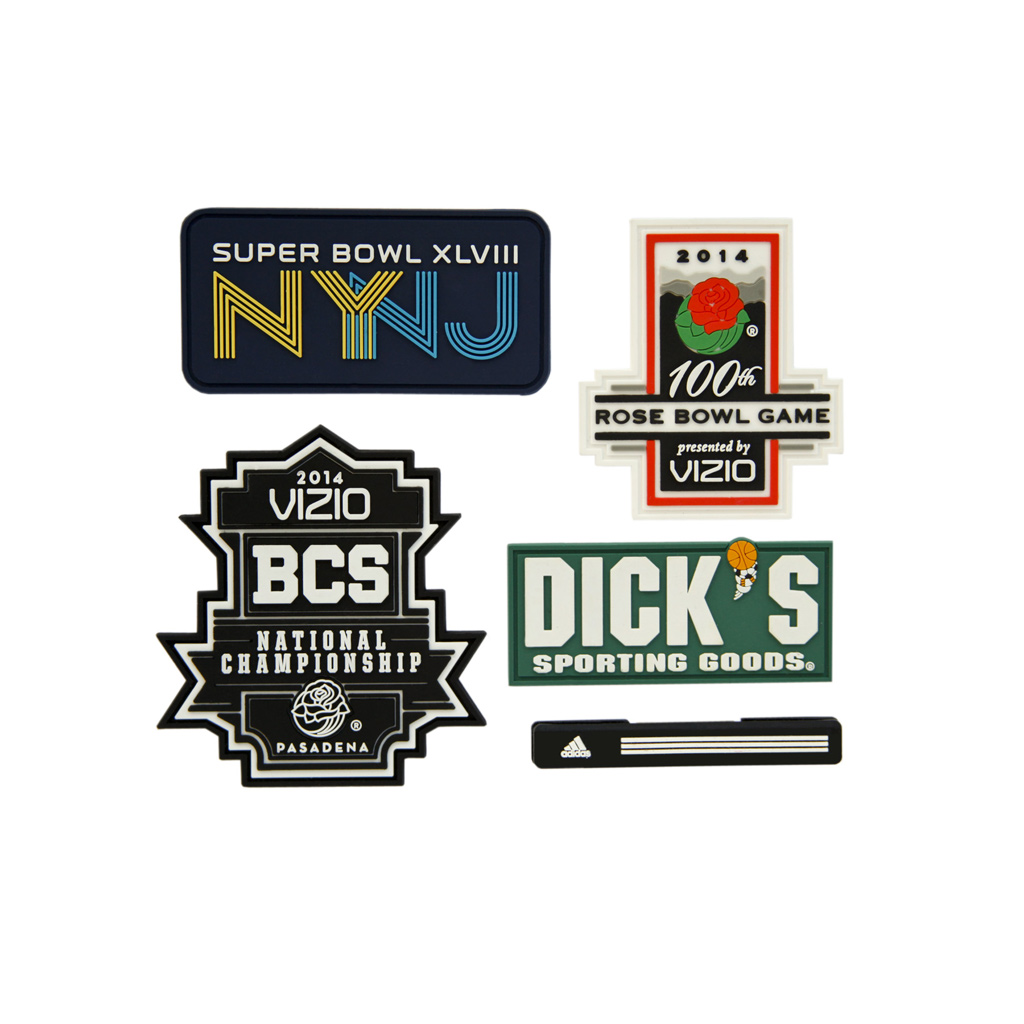
Visual effects and finishes range from standard matte to metallic and raised silicone textures. Raised silicone labels provide a distinctive 3D effect that boosts visual interest and perceived quality, especially for sportswear.
Customization extends to:
- Shape & Size: Labels can be cut to custom shapes and sizes, from classic rectangles to bespoke silhouettes that match a logo.
- Placement: They can be applied to non-traditional locations like sleeves or side seams to embed brand identity in unique ways.
- Versioning: Orders can be split into multiple size or color versions (S/M/L/XL) for different SKUs, ensuring brand consistency across collections.
- Storytelling Elements: Digital artwork allows for the integration of taglines, QR codes, or care instructions, embedding both functional and narrative cues into each piece.
Are printed heat transfer labels durable and comfortable enough for everyday use?
Yes, printed heat transfer labels are both highly durable and exceptionally comfortable for everyday apparel. They are engineered to withstand frequent washing and daily wear without cracking or fading, and their tagless design eliminates the discomfort often caused by sewn-in tags.
Durability
High-quality heat transfer labels are tested to endure over 10 wash cycles at 40°C. The inks bond securely with the garment and flex with the fabric, making them a superior option for activewear and other high-use items. Premium options like 3D silicone transfers offer strong adhesion and resistance to abrasion.
Comfort
Unlike sewn-in tags, heat transfers sit flush against the garment, preventing itching or irritation. This soft-touch finish is especially valued for t-shirts, baby clothes, and sportswear. The application is satin-smooth, avoiding the bulk and sharp edges of woven or printed fabric tags.
Dispelling Misconceptions
Concerns about flaking or peeling are typically associated with low-quality transfers. Premium, OEKO-TEX certified labels are specifically formulated for longevity. Modern high-definition printing techniques also ensure colorfastness and prevent fading.
Can printed heat transfer labels support sustainable fashion branding?
Yes, printed heat transfer labels can strongly support sustainable fashion branding through the use of non-toxic inks, recycled materials, and efficient production processes.
Modern heat transfer methods, such as Direct-to-Film (DTF), often use water-based inks that are non-toxic and free of harmful chemicals, reducing their environmental impact. Many suppliers also offer films and labels made from recycled polyester (PET) or other eco-conscious substrates. These choices allow brands to meet rigorous standards and appeal to environmentally aware customers.
Digital heat transfer printing also generates minimal ink and material waste compared to traditional methods. Eco-friendly solutions often carry international certifications like ROHS and REACH, ensuring they meet strict chemical safety standards. By choosing sustainable labels, brands can clearly signal their commitment to environmental responsibility, a detail that can be a decisive factor for conscious consumers.
How can my brand incorporate logos and storytelling into the labels?
Fashion brands can easily incorporate logos, brand colors, and storytelling into printed heat transfer labels by leveraging their full-color, high-definition printing capabilities.
To integrate your unique brand elements:
- Upload your artwork: Most suppliers allow you to upload a design file, and their teams can help finalize a layout that aligns with your brand’s visual language.
- Specify brand colors and versions: You can use up to four spot colors to match your official brand palette. You can also request multiple size or color versions within the same production run.
- Add narrative elements: Digital printing allows for taglines, founding years, QR codes, or brief brand stories to be included in the artwork, turning the label into a storytelling device.
- Ensure design proofing: Before production, suppliers provide a digital proof for approval to ensure all elements are accurately reproduced and aligned with your brand standards.
What is the process for applying printed heat transfer labels?
Applying printed heat transfer labels involves a straightforward process using either a heat press or a household iron, with minor adjustments needed for different fabric types.
General Application Workflow
- Prepare Artwork: Upload your design to the manufacturer and approve the digital proof they provide.
- Position the Label: Place the label face-up on the fabric in the desired location.
- Apply Heat & Pressure:
- Heat Press: Set to 320°F (160°C) and apply firm pressure for 15-20 seconds.
- Home Iron: Set to medium-high (no steam), cover the label with baking paper, and press firmly for 15 seconds.
- Cool & Peel: Let the garment cool completely before gently removing the transfer paper. For best results, wait 24 hours before washing.
Fabric-Specific Tips
For heat-sensitive fabrics like nylon, it is important to start with a lower temperature and test a small patch first. For stretch fabrics used in activewear, use labels with special stretchable ink formulations to ensure they move with the fabric without cracking.
What should I know about costs and minimum orders for printed heat transfer labels?
Custom printed heat transfer labels are accessible for independent brands, with low minimum order quantities (MOQs) and flexible pricing that scales with volume.
Pricing and Minimums
Most suppliers set a minimum order as low as 25 pieces, making it possible to start small. The cost per label decreases significantly as order volume increases. For example, a standard 2-inch label can range from around $2.72 each for 25 pieces down to just $0.07 each for orders of 10,000 or more. Prices may vary based on size, the number of colors, and special finishes.
Cost-Saving Tips
You can often split an order across different size versions (S, M, L, XL) to reach a higher quantity and get a lower price per unit. Ordering in larger quantities brings down the unit cost dramatically, so consider future inventory needs. Many vendors also offer introductory discounts.
How have other independent fashion brands succeeded with printed heat transfer labels?
Independent fashion brands have successfully used printed heat transfer labels to establish a distinctive presence, deliver tagless comfort, and build an authentic brand identity.
Streetwear brand Aries Arise, for example, partnered with trim suppliers to create bold, custom heat transfers that matched their premium positioning and sustainability values. This collaboration resulted in a cohesive product aesthetic and allowed for the quick integration of new label designs into their collections, helping the brand stand out in the urban fashion scene.
Sustainability-driven brands are also seeing success. By specifying water-based, non-toxic inks for their heat transfer labels, independent activewear brands can reinforce their eco-friendly commitment directly on the garment. This strategic use of sustainable labeling resonates with environmentally conscious consumers and strengthens both trust and market differentiation.